
The world of 3D renderings is changing at a fast pace, and AR and VR have played a significant part in the changes. The way AR and VR have evolved has impacted what clients would expect from designers. Clients do not find something impressive anymore when the previous standards were deemed satisfactory. The bar has been raised significantly for clients in terms of what quality work looks like.
What are AR and VR In Rendering?
Before proceeding further, let us understand how Augmented Reality (AR) and Virtual Reality (VR) Are Changing Client Expectations in 3D Rendering.
In simple terms, AR can be defined as an additional layer added to the existing reality that allows putting virtual digital objects in the real environment. With the help of a smartphone, tablet, or special AR glasses, people can visualize and manipulate 3D objects in real-life conditions. Thus, AR is useful for 3D product visualization, AR product visualization, and interactive 3D visualization solutions.
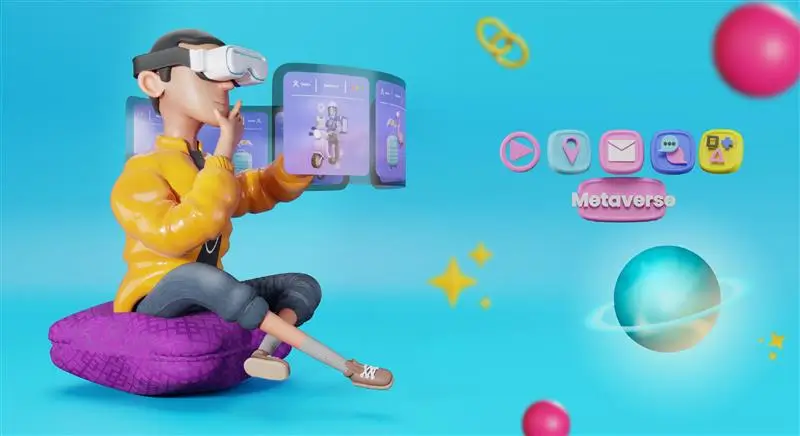
Virtual Reality (VR) refers to creating an artificial reality that involves using special VR headsets to allow people to immerse themselves in a 3D rendered environment. It allows experiencing 3D visualization from different perspectives by moving around the virtual environment. VR is used in such spheres as architectural visualization and virtual walkthrough rendering.
With the development of 3D visualization technologies, the traditional approach to rendering has changed. In contrast to static images and even pre-rendered animation, 3D AR & VR modeling enables interactive 3D visualization.
How AR & VR Are Changing Client Expectations in 3D Rendering
AR/VR in rendering has transformed many industries. People are now getting highly realistic experiences, which has also raised their expectations.
From Static Visuals to Immersion
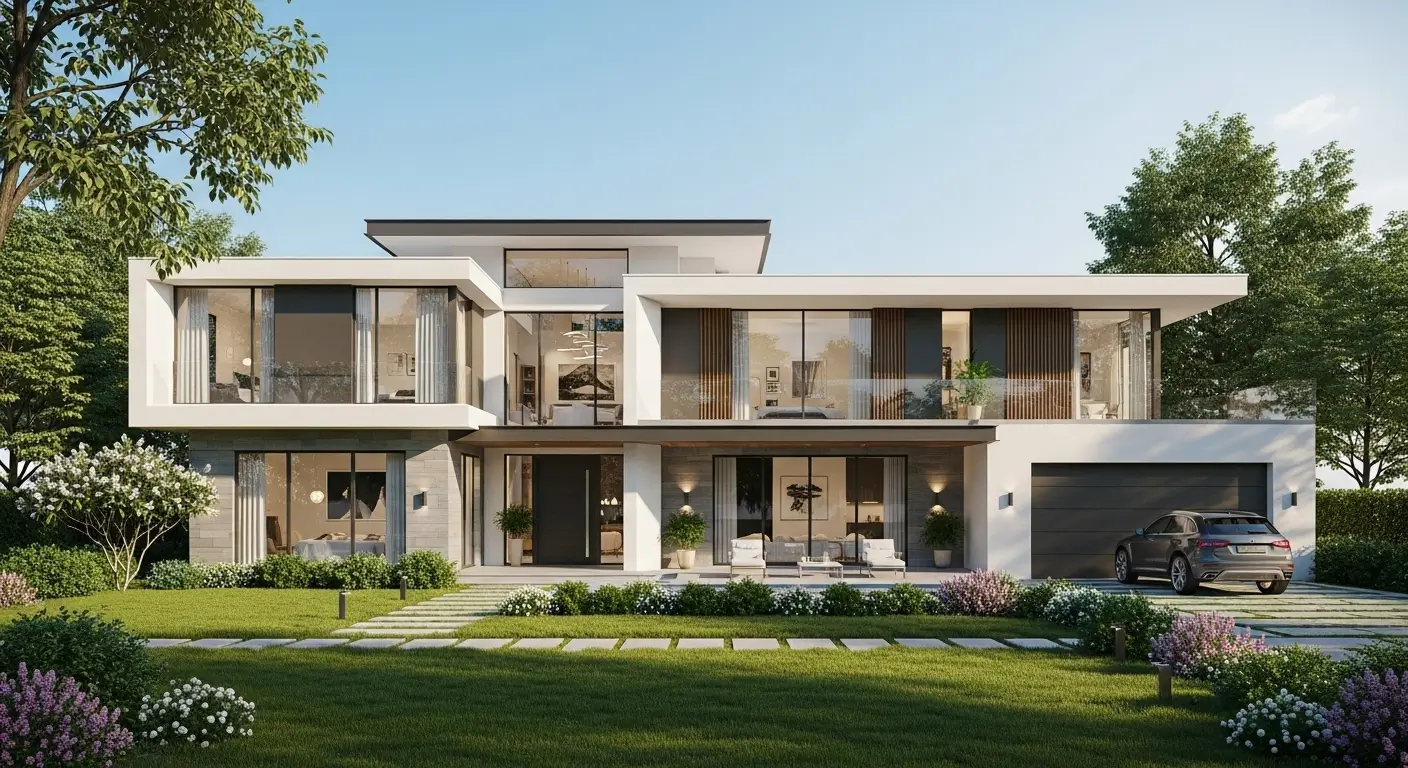
Traditionally, many clients have been satisfied with static renders of products. The realistic portrayal of a product or its visualization was enough for most customers. As a designer, one would concentrate on the composition, texture, and lighting of an image to ensure that it looked real. Nevertheless, clients have found a new appreciation for 3D rendering technology and what they would require from designers. Clients are interested in experiencing the product, rather than seeing images of it. AR allows users to view and interact with a product, and the ability to visualize the product in a real-life setting through AR makes it a favorite technology among industries such as real estate and e-commerce.
Real-Time Interaction and Speed
With time, the pace of human work is increasing also the expectations from others. Traditional rendering takes a huge amount of time. It is due to a long processing time that is intolerable for many clients. For them, 3D AR/VR modeling is the best solution, saving them time. This pushed the designer to work faster and provide real-time results with the use of Unreal Engine, Unity, etc. software. Faster rendering is equally important with faster delivery to clients.
The New Standard of Realism
AR/VR in rendering has increased the quality of rendering and brought more realism to work. Previously, many of them ignored flaws due to insufficient checks. But nowadays, when a client sees their 3D model in an AR/VR environment, every minor problem can be seen. For this reason, clients are not willing to compromise on quality and presentation. Artist are now more promising in their work to bring realism and flawless detail than ever. To bring trust and attention from the client, it is important to present a creative and qualitative rendered image.
Maximizing the Value of a Single Project
Clients no longer view a project as a single output meant for just one purpose. Instead, they expect a 3D asset to be versatile and usable across multiple platforms. A single model can now be used for marketing visuals, interactive AR or VR experiences, animations, and even virtual showrooms.
This shift requires designers to create models that are not only high-quality but also optimized and flexible enough to perform well in different contexts. As a result, the ability to deliver multi-purpose assets has become a major factor in client satisfaction and gives designers a strong competitive edge.
Faster Decision-Making and Increased Pressure
These immersive technologies accelerate the whole working process and decision-making process. It helps to test the variation of rendering, explore environments, and provide visual outcomes fast.
Designers need to work professionally under a tight schedule with the best quality of rendering images. AR/VR create revolution in the working process.
AR and VR as Marketing Tools
AR/VR not only supports technical design but also enables realistic interaction. Customers gain realistic experiences through the technology. It helps the buyer’s decision to confirm quality. Instead of showing a realistic product, a company can show realistic visuals to the client. It is used in shopping, training, etc. AR/VR in shopping is very popular nowadays.
What Designers Should Change
For designers in this field, both hurdles and prospects come with the evolution of 3D rendering technology. Not only should they develop skills in interactive design and real-time processing, but they should also embrace the ideas of AR and VR. The designers who successfully adapt will not only satisfy the clients’ needs but also prove themselves to be valuable specialists in an evolving market.
Conclusion
AR and VR are revolutionizing 3D rendering by changing its purpose from producing still images to creating an immersive experience. Clients expect to receive fast, realistic, flexible, and immersive results from every task. From the designers’ perspective, there is a need to change their approach toward using modern technology, streamline processes, and produce universal assets.