
3D Modeling In Architecture and Design
When we hear about architecture and design, for the first time, we think about an architect drawing a design on paper using a pencil, rubber, and scale. Many architectural marvels worldwide, such as the Pyramids, the Great Wall, the Eiffel Tower, etc., were built using the same process. This was a full physical and analog model. But throughout the last few decades, we have experienced technological evolution. Most analog systems have been transformed into digital versions, and architectural design is one of them. The processing of analog systems is very time-consuming and has many challenges.
3D modeling has revolutionized the architecture and design industry, providing architects, engineers, and designers with powerful tools to bring their visions to life. From traditional blueprints to sophisticated digital models, the evolution of 3D modeling has significantly improved efficiency, accuracy, and creativity in architectural projects. Professional 3D modeling services today play a crucial role in transforming concepts into realistic visualizations. We will discuss the evolution of 3D modeling in architecture and design in this blog.
The Early Days of 3D Architecture Design
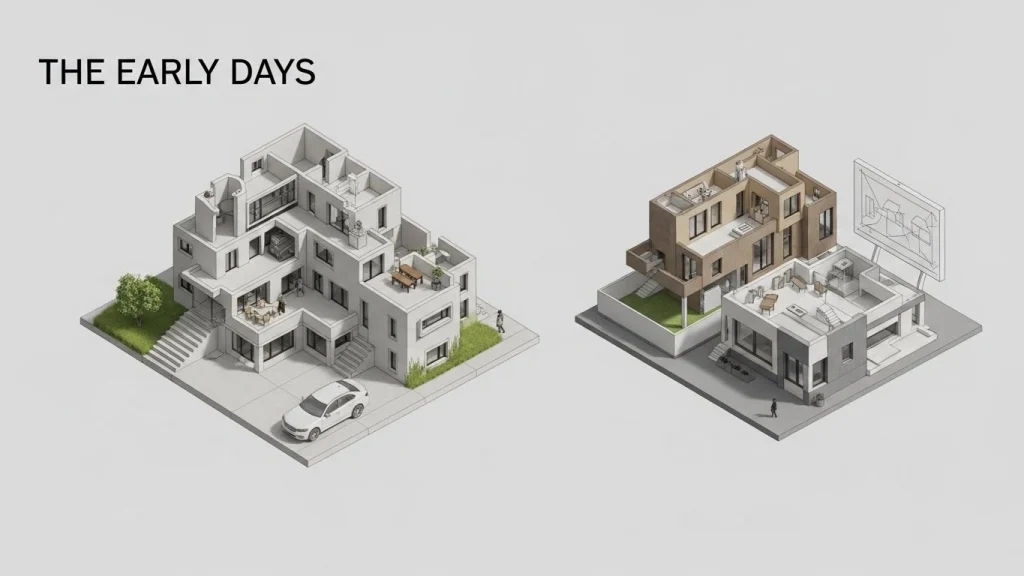
Before digital technology, architects relied on hand-drawn blueprints and physical scale models. While effective, these methods were time-consuming and prone to errors. The introduction of Computer-Aided Design (CAD) in the 1960s and 70s marked a significant shift. CAD software allowed for precise 2D drawings, reducing manual drafting errors and speeding up the design process.
2000-2010
The development of the massive CG modeling program that is now known as 3ds Max continued throughout the ensuing ten years. Once more, the program changed its name in 2000, becoming Discreet 3ds Max. Finally, in 2005, Autodesk 3ds Max was given its current moniker. The software produced increasingly intricate and lifelike building simulations. For example, 3ds Max 7.5 introduced the Hair & Fur module in 2005. With the use of this tool, users could model materials and surfaces like grass, wool, and further.
2010-2020
3D modeling has been increasingly popular in architecture and design in recent years. We now have a wide range of 3D modeling and rendering tools for various pipelines, budgets, and uses as a result of this shift.
The latest computer-generated imagery (CG) software can create images that are so realistic that they could be mistaken for actual photos. 3D representations accurately capture the materials, textures, lighting, both natural and artificial, and other elements. 3.
Nevertheless, the advancement of 3D modeling extended beyond the availability of more software options. However, there are still alternatives for images of bespoke models, interior and exterior, virtual reality, panoramas, and animations.
The Rise of 3D Modeling In Architecture and Design

By the 1980s and 90s, advancements in computing led to the emergence of 3D modeling software. Programs like AutoCAD, 3ds Max, and SketchUp enabled architects to create detailed 3D representations of their designs. This evolution allowed professionals to explore different perspectives, simulate lighting conditions, and make adjustments before construction began.
Modern 3D Modeling Technologies
Today, 3D modeling services utilize cutting-edge software and technologies to enhance architectural visualization. Some of the most influential advancements include:
- Building Information Modeling (BIM) – BIM software, such as Revit, integrates 3D modeling with data management, allowing architects to create intelligent models that include materials, costs, and construction timelines.
- Virtual Reality (VR) and Augmented Reality (AR) – 3D VR and AR provide immersive experiences, enabling clients and designers to walk through a digital version of a building before construction.
- Artificial Intelligence (AI) and Automation – AI-driven 3D modeling tools can optimize designs, analyze structures for efficiency, and automate repetitive tasks, improving overall workflow.
Photorealistic Rendering – Advanced rendering software like V-Ray and Lumion helps create stunning visuals, making it easier for clients to visualize the final project with lifelike accuracy.
The Role of 3D Modeling Services in Architecture
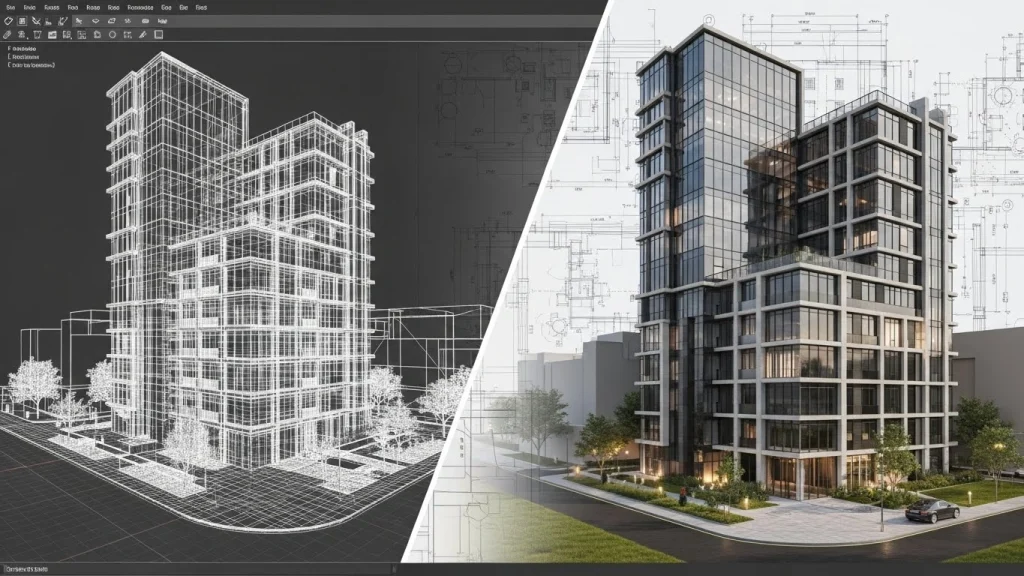
Professional 3D modeling services have become an integral part of architectural and design processes. These services provide:
- Conceptual Visualization: Bringing early-stage ideas to life through digital models.
- Detailed Architectural Models: Creating precise 3D representations for planning and approval.
- Structural Analysis: Ensuring designs are functional and structurally sound.
- Marketing and Presentation: High-quality renders and animations for client presentations and promotional materials.
- 3D Panorama with Interactive Features: Using a cutting-edge camera system, the virtual reality tool immerses the spectator in the concept. Clients can explore the space from all perspectives by using a mouse or touchpad to select different angles of view from any vantage point. In contrast to individual still images, a virtual panorama provides a comprehensive view of the entire project.
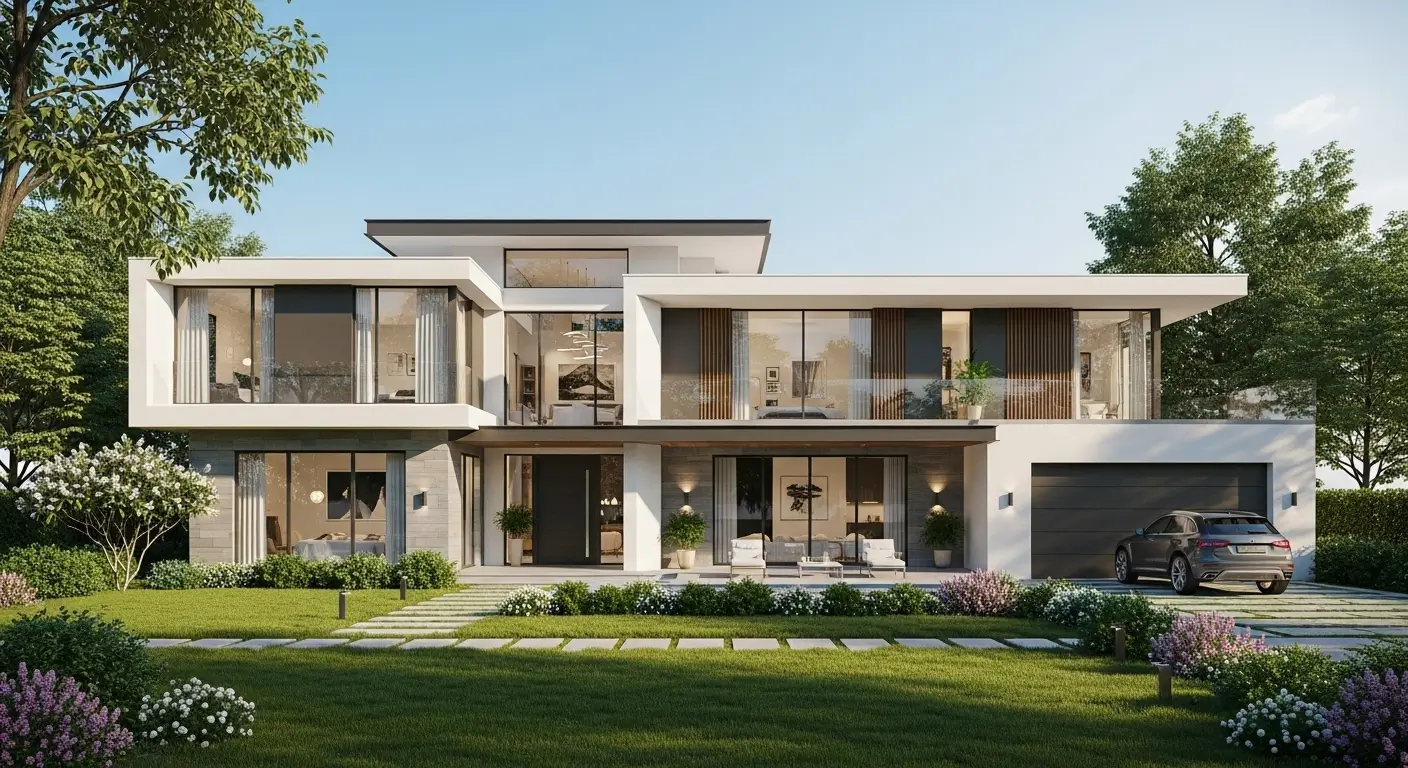
Our perspective on architecture and design has evolved as a result of 3D modeling and rendering technologies. Visualization software generates new prospects for all stakeholders by producing realistic 3D models, ranging from advertising and market analysis to client communication and investor presentations.
Future of 3D Modeling In Architecture and Design
As technology continues to advance, the future of 3D architectural modeling appears bright. Some emerging trends include:
- Generative Design: AI-powered tools that create various design options based on predefined criteria.
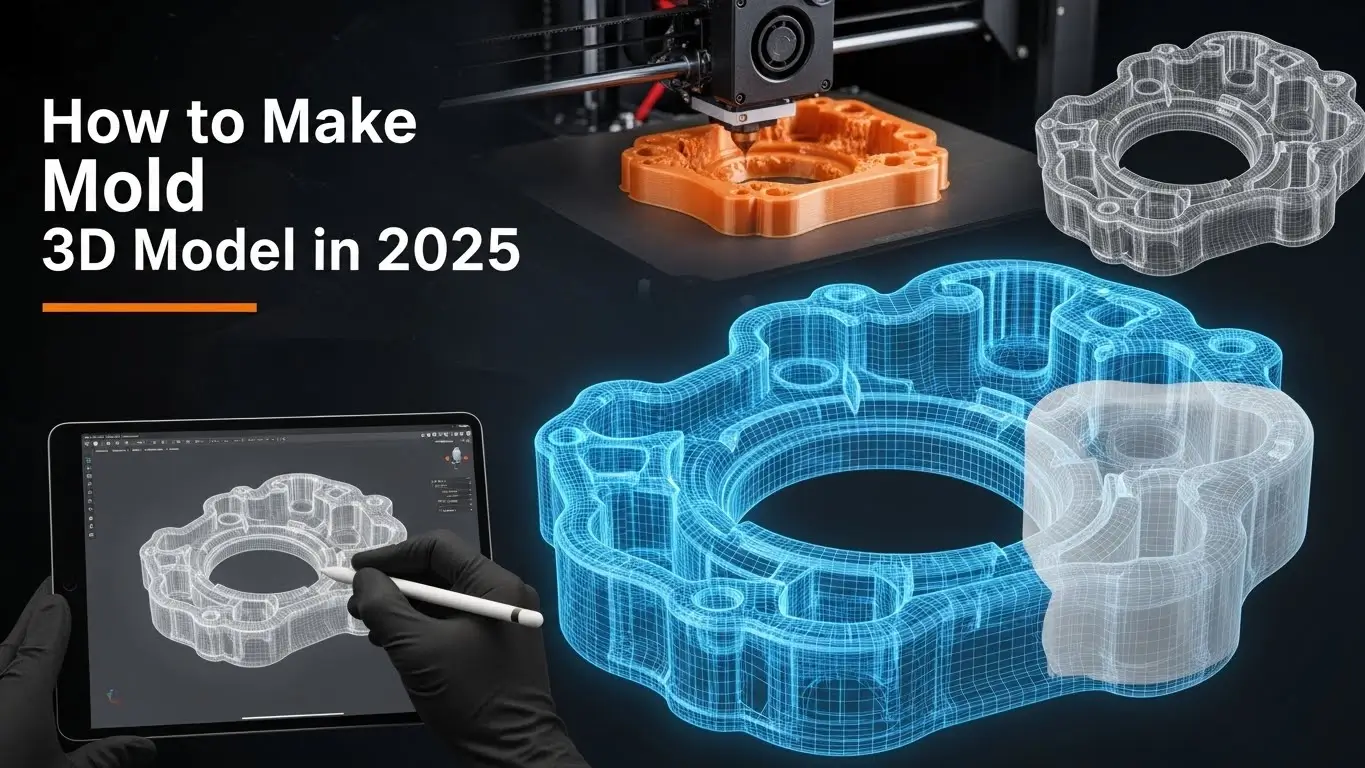
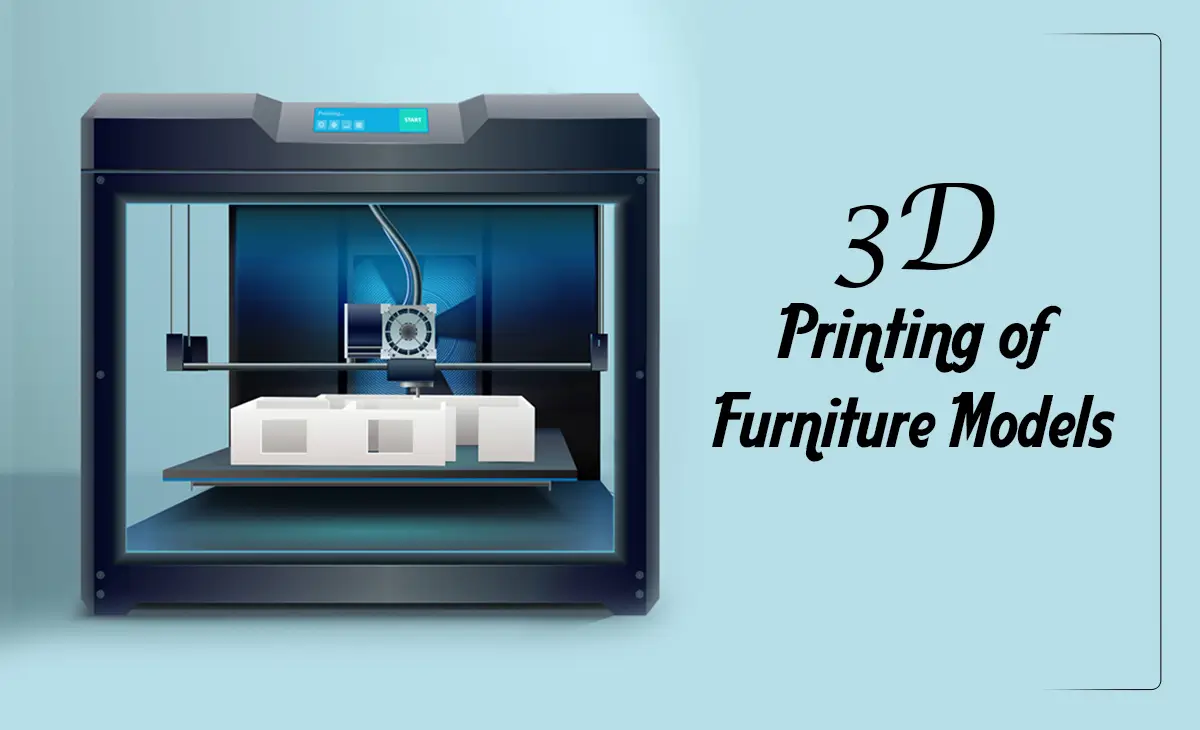
- 3D Printing: Producing physical architectural models directly from digital designs. 3D printing has become the most popular innovation across many sectors, including 3D architectural modeling.
- Sustainable Design Integration: Utilizing 3D modeling to assess environmental impact and enhance energy efficiency. We can develop a comprehensive environment where the building’s architecture is designed alongside other elements. From these models, we can evaluate the effect of this infrastructure on the environment.
Conclusion
The evolution of 3D modeling in architecture and design has transformed how experts create concepts, plans, and execute projects. With ongoing advancements in technology, 3D modeling services will remain a cornerstone of architectural innovation, providing more efficient, sustainable, and visually appealing design solutions. Whether for residential, commercial, or industrial projects, the role of 3D modeling will continue to expand, shaping the future of the architectural field.